
Microsoft Teams
Housing

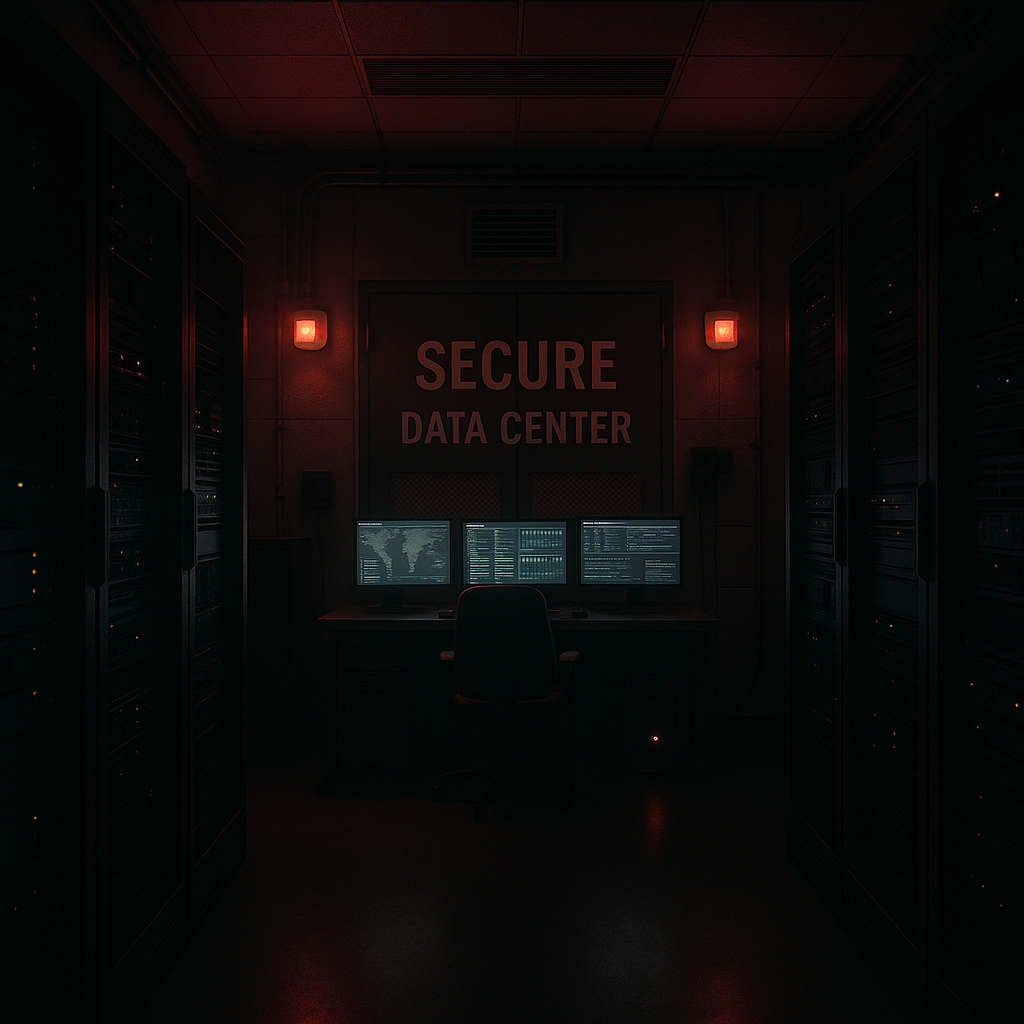
When federal operations halt, the invisible risks to critical data systems and security protocols can create vulnerabilities that persist long after agencies reopen their doors.
The Hidden Cost of Furloughed Cybersecurity Teams
When government shutdowns occur, cybersecurity professionals are often among the first to be furloughed—despite being classified as essential to national security. This creates a paradox: the very teams responsible for monitoring threats, responding to incidents, and maintaining security protocols are absent precisely when adversaries may see an opportunity to strike. Threat actors don't take holidays during budget impasses, and the window of vulnerability created by reduced security staffing can have consequences that echo for months or even years.
The loss of institutional knowledge during these periods is particularly damaging. Cybersecurity isn't just about automated systems—it requires human expertise to analyze patterns, contextualize alerts, and make rapid decisions about emerging threats. When experienced security analysts are furloughed, agencies lose their ability to detect anomalous behavior, investigate potential breaches, and coordinate incident response. Even a few days without this critical oversight can allow attackers to establish persistent access, exfiltrate sensitive data, or plant backdoors that remain undetected long after normal operations resume.
The psychological toll on cybersecurity teams shouldn't be underestimated either. These professionals carry the weight of protecting critical infrastructure and sensitive citizen data, yet they face the uncertainty of unpaid work periods and the stress of knowing systems may be compromised in their absence. This reality affects retention, morale, and ultimately the government's ability to attract top cybersecurity talent—a challenge that's already acute in the competitive technology sector. Organizations need resilient workforce strategies that ensure continuity of security operations regardless of political circumstances, including cross-training, automation where appropriate, and contingency plans that maintain minimal viable security posture during operational disruptions.
When System Updates and Patches Go Dark
Critical system patches and security updates operate on schedules dictated by vulnerability disclosure timelines, not congressional appropriations. When government shutdowns freeze IT operations, the carefully orchestrated cadence of patch management grinds to a halt. Zero-day vulnerabilities announced during shutdown periods may go unaddressed for weeks, leaving federal systems exposed to known exploits that attackers can readily weaponize. This isn't a theoretical risk—adversaries actively monitor government operations and have demonstrated willingness to exploit periods of reduced vigilance.
The challenge extends beyond just applying patches. Modern IT environments require comprehensive testing before deploying updates to ensure they don't disrupt critical services or create conflicts with existing configurations. During shutdowns, the personnel who conduct this testing, coordinate deployment schedules, and monitor systems for post-patch issues are typically unavailable. This means that even when operations resume, agencies face a backlog of security updates that must be carefully prioritized and deployed—a process that can take weeks or months to fully address. In the interim, attackers have an extended window to exploit known vulnerabilities across multiple systems.
The ripple effects impact data integrity as well. Unpatched systems are more susceptible to ransomware, data corruption, and unauthorized modifications. When attackers gain access through unpatched vulnerabilities, they often move laterally through networks, compromising data stores and potentially altering records without detection. For agencies managing citizen services, financial systems, or national security information, these integrity compromises can have profound consequences. Organizations need automated patch management systems with intelligent prioritization, emergency protocols that enable critical security updates even during operational freezes, and architecture designs that minimize the blast radius of any single vulnerability. Leveraging enterprise architecture services that build security into system design—rather than treating it as an operational afterthought—becomes essential for maintaining resilience during political uncertainty.
Data Governance Gaps That Emerge During Operational Freezes
Data governance frameworks rely on continuous oversight, regular audits, and active policy enforcement—all of which become casualties during government shutdowns. The frameworks that ensure data accuracy, consistency, and appropriate access don't maintain themselves. When data stewards, compliance officers, and governance committees are furloughed, the careful balance between data accessibility and security begins to erode. Access permissions that should be reviewed and updated go stale, data quality monitoring ceases, and the documentation that ensures traceability and compliance falls behind.
The compliance implications are particularly serious for agencies operating under strict regulatory frameworks like FedRAMP, FISMA, or sector-specific requirements. Continuous monitoring requirements don't pause for shutdowns, yet the personnel responsible for maintaining compliance documentation, conducting required assessments, and responding to audit findings are often unavailable. This creates gaps in the compliance record that must be addressed retroactively—a time-consuming process that diverts resources from forward-looking initiatives. More critically, these gaps may represent actual periods of non-compliance that could have legal, financial, or operational consequences.
Master data management (MDM) suffers significantly during operational freezes. When authoritative data sources aren't properly maintained, systems begin to diverge, duplicates proliferate, and the single source of truth fragments into competing versions. This degradation in data quality affects decision-making capability long after normal operations resume. Organizations need governance frameworks that can operate with minimal human intervention during disruptions, automated compliance monitoring that maintains audit trails regardless of staffing levels, and clear escalation protocols that enable critical data governance decisions even during shutdowns. Implementing robust data analysis and architecture services that build resilience into data systems—rather than depending solely on continuous human oversight—provides a foundation for maintaining data integrity through political and operational uncertainty.
Vendor Management Challenges and Third-Party Risk Exposure
Government agencies increasingly rely on third-party vendors for critical services, from cloud infrastructure to specialized applications. During shutdowns, the government's side of these partnerships goes silent—contract administrators are furloughed, technical liaisons are unavailable, and the oversight that ensures vendors meet security and performance standards disappears. Yet vendors continue operating, maintaining access to government systems and data, often without the usual monitoring and accountability mechanisms. This creates a significant third-party risk exposure that adversaries may attempt to exploit.
Service level agreements (SLAs) and contract terms don't automatically adjust for government shutdowns. Vendors may face difficult decisions about continuing to provide services without payment, potentially degrading service levels or, in extreme cases, restricting access to critical systems. When government personnel return, they often discover that vendor relationships have deteriorated, pending issues have escalated, and the backlog of vendor communications requires weeks to untangle. More concerning, security incidents or compliance violations that occurred during the shutdown period may not be properly documented or investigated, creating gaps in the security posture that persist indefinitely.
The challenge of vendor transitions becomes even more acute when they coincide with or follow shutdown periods. Organizations already face significant disruption when changing vendors—maintaining continuity of operations, migrating data, and ensuring institutional knowledge transfer are complex undertakings that require careful coordination. When these transitions occur around shutdown periods, the risk of data loss, service interruptions, and security gaps multiplies. Agencies need comprehensive vendor management strategies that maintain oversight even during reduced operations, including automated monitoring of vendor performance and security, clear contractual language about service continuity during shutdowns, and documented escalation procedures that enable critical vendor issues to be addressed regardless of staffing levels. Strategic vendor management services that build resilience and clear accountability into third-party relationships become essential—not just for efficiency, but for maintaining security and data integrity through inevitable operational disruptions.
Building Resilient Systems That Withstand Political Uncertainty
The recurring nature of government shutdowns demands a fundamental shift in how federal IT systems are architected and operated. Rather than treating shutdowns as exceptional events requiring crisis management, forward-thinking agencies are building resilience into their core infrastructure. This means designing systems with automated security controls that function independently of human oversight, implementing self-healing architectures that can detect and respond to certain classes of issues without intervention, and establishing clear protocols that enable minimal viable operations during staffing disruptions. The goal isn't to eliminate the need for skilled professionals—it's to ensure that critical security and integrity functions continue even when those professionals are temporarily unavailable.
Enterprise architecture plays a crucial role in this resilience strategy. By modeling both current and future states with explicit consideration of operational continuity during disruptions, agencies can identify single points of failure and design around them. This includes implementing distributed decision-making capabilities, redundant monitoring systems, and architecture patterns that compartmentalize risk. When integrated with governance and capital planning (CPIC) processes, these resilience considerations become part of the investment decision framework rather than afterthoughts. Organizations following frameworks like TOGAF, FEAF, and BEA can incorporate shutdown resilience as a core architectural principle, ensuring that every system design addresses political uncertainty as a known operational constraint.
Technology alone can't solve the challenge—organizational and procedural innovations are equally important. Agencies need cross-trained teams where knowledge and critical capabilities aren't concentrated in individuals who might be furloughed. Documentation must be comprehensive enough that systems can be understood and operated by personnel who weren't involved in their original development. Automated requirements generation and traceability matrices ensure that even if key personnel are absent, the relationships between requirements, systems, and compliance obligations remain clear and actionable. This is where AI-powered solutions can provide transformative value—not by replacing human expertise, but by maintaining institutional knowledge, automating routine oversight tasks, and ensuring that critical documentation and relationships remain accessible regardless of staffing levels.
The path forward requires viewing political uncertainty not as an unfortunate reality to be endured, but as a design constraint to be addressed through thoughtful architecture, strategic automation, and resilient processes. Organizations that embrace emerging technology strategy, invest in robust data architecture, and implement intelligent automation for requirements and compliance management position themselves to maintain security and data integrity regardless of external circumstances. The agencies that will thrive in this environment are those that recognize resilience isn't just about technology—it's about building systems, processes, and organizational capabilities that maintain their essential functions through inevitable disruptions, protecting citizen data and maintaining public trust even when political circumstances create operational challenges.